Showing posts with label queen of versailles. Show all posts

Tuesday, January 28, 2014

Sexism and the Oscars

Ai Weiwei: Never Sorry premiere (Adam Schlesinger, director Alison Klayman, Karl Katz, and Julie Goldman)

Last year several excellent documentaries were not nominated by the Oscars, two of which were directed by women. In 2012, Queen of Versailles, directed by Lauren Greenfield, and Ai Weiwei: Never Sorry by Alison Klayman were both critically acclaimed but not even in the running for best documentary. 

Look what happened this year:
A couple of surprises came in the feature documentary category, where Sarah Polley’s “Stories We Tell,” a personal yarn about her own dysfunctional family, and Gabriela Cowperthwaite’s “Blackfish,” about allegations of abuse of animals and trainers at the SeaWorld parks, were left out. Both films appeared on list after list of favorites. (NYT)
Two films directed by women, AGAIN mysteriously snubbed? I also found it strange that The Invisible War, which focused predominantly on the sexual assault of women, lost to the male-focused Searching for Sugar Man.

(I must note that I saw Searching for Sugar Man but not The Invisible War. Sugar Man is a remarkable story, charming if initially hagiographic, but The Invisible War actually inspired policy change.)

I am unfamiliar with the politics of nominating and selecting best pictures. However, isn't this snub of four prominent documentaries over two years, all directed by women, a blatant example of sexism? Not having seen most of the examples, I can't say whether the movies deserve to win or even be nominated based on quality. But we all know the Oscars have little imagination. A movie doesn't have to be groundbreaking to become an Oscar nominee. 

I will speak for Queen of Versailles, though: it is one of the best documentaries I have seen, certainly one of the best films I saw in 2012. A timely, funny, and dark take on the American dream, it follows it's extremely wealthy subjects with subtlety and precision. The movie speaks volumes about gender relations, the state of the economy, ambition, inequality, and a variety of other issues.

Other worthy movies, including those I consider modern classics, have been ignored by the Academy. Most of them are not directed by women. But the absence of these female-directed documentaries should be noticed.

Wednesday, April 3, 2013

Top 10 movies seen in 2012

I usually see only two or three movies that I really love per year. Last year, I saw about five. (Some of these movies were released in 2011, but I wasn’t able to see them until 2012. I saw or will see several 2012 films in 2013.)

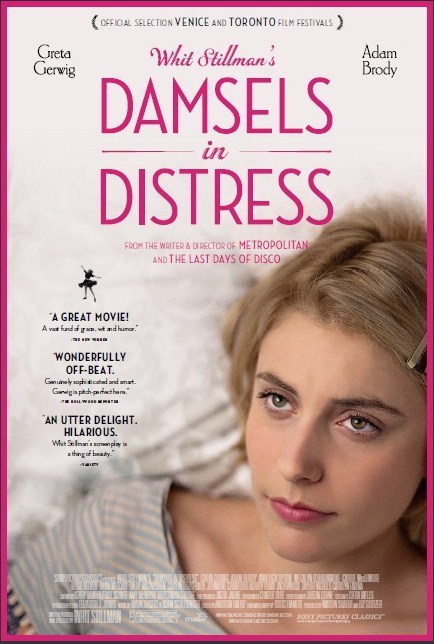
1. Damsels in Distress is unique, especially if you’re not acquainted with writer and director Whit Stillman, which I wasn’t. The characters speak as though from an articulate subconscious.This comedy includes not only one of my favorite characters of all time, it feels like a strange expression of my life and thoughts.

2. The Avengers made me feel like a kid again. I had to restrain my nerdy glee as superheroes overcame their differences, embraced their flaws, and worked together. I expected much less.

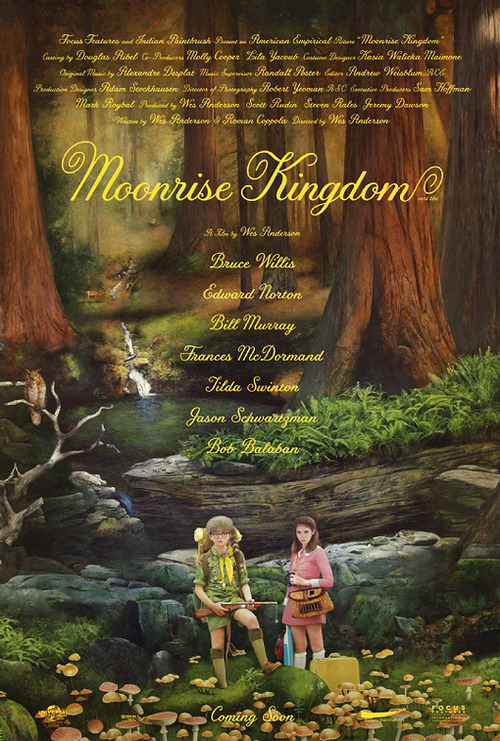
3. Moonrise Kingdom is a beautiful, humorous, and fanciful tale of two twelve year olds who run off together and the adults and peers who try to track them down. The soundtrack and art direction are gorgeous.

4. Tinker Tailor Soldier Spy is a spy classic, an opaque, bleak, and intriguing piece set during the Cold War, based on John Le Carre’s novel of the same name.

5. Queen of Versailles is a hilarious and disturbing documentary about an extremely wealthy family going through the recession. The film manages to raise questions and shed light on a lot of issues, both on intimate and national scales.

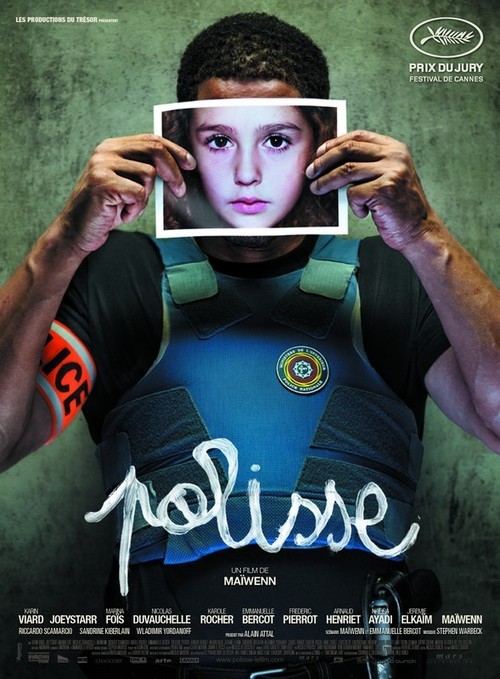
6. The excellent Polisse follows numerous cases and officers in Paris’s child protection unit. In spite of its harrowing subject matter, it is both dramatic and believable. This film stuck with me for some time.

7. Django Unchained can feel like a very long (but awesome) music video. This funny and graphically violent blaxploitation/Western/revenge tale is deliberately offensive, and actors like Jaimie Foxx and Samuel Jackson create gripping characters. The movie skewers slavery’s premise that people are property.

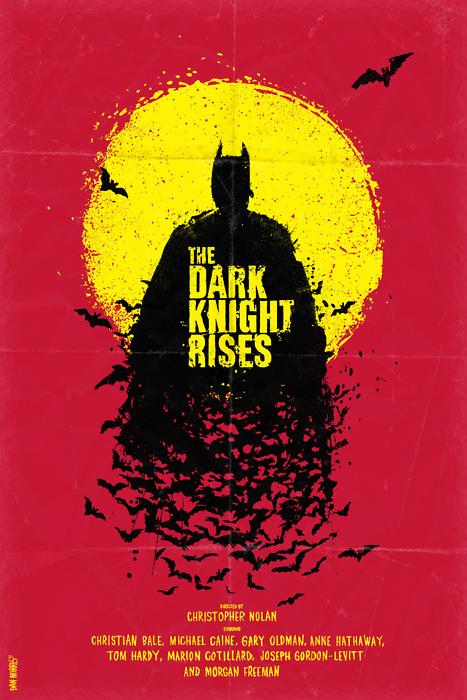
8. Though a bit muddled, The Dark Knight Rises feels like a rousing and dark finale to a great trilogy. It brings the story full circle, making me want to revisit the other two films.

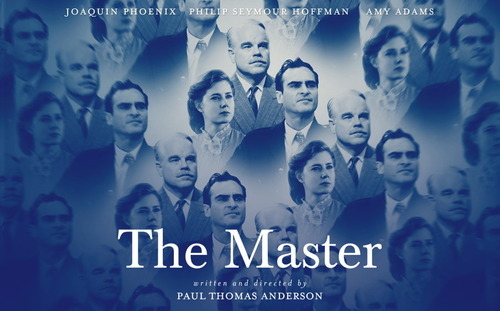
9. The Master is an odd but beautifully shot film about a wild man who stumbles into a cult in the years following WWII. Joaquin Phoenix is remarkable as the addled veteran, a kind of unglamorous character I’ve never seen before.

10. The Deep Blue Sea is a simple adaptation of Terence Rattigan’s play. Drenched with angst and sadness, the movie theater director said of this emotional story of a woman’s obsession with her lover, “Don’t marry a mama’s boy and don’t run off with Loki.” (Tom Hiddleston played the boyfriend.)

Worst

Gorgeous production values, interesting themes, and Michael Fassbender’s fascinating performance couldn’t save Prometheus’s Planet 9 From Outer Space plot. Most disappointing here was its potential.

Saturday, December 29, 2012

Queen of Versailles


Lauren Greenfield's masterful documentary The Queen of Versailles follows billionaire David Siegel and his beautiful wife Jacqueline into the great recession. They live in Florida where nannies tend to their eight children, one of whom they "inherited." While in the middle of building the largest house in the United States (inspired by Versailles), the economic crisis hits. David's timeshare empire, the biggest in the world, faces severe cutbacks.

Few tears are shed. The Siegels can be hilariously clueless and outrageous, but they also share moments of regret and generosity. As monetary woes sink in, the excess which was a source of pride for the couple becomes a garish nightmare. In spite of her degree in computer engineering, the buxom, botoxed Jackie claims to be in the dark about their financial situation. David becomes consumed with saving his company, often ignoring the rest of his family or lashing out at Jackie, who admits that she is living in a fantasy world. (The movie's apt title recalls Marie Antoinette and her notorious decadence.)

Before the crisis, one of their many children says it best: they never think about money, but they always think about money. The sense of anxiety hanging over the Siegels will be familiar to many Americans, but their opulence will not. David and Jackie blame the banks for lending them too much money, even though David's cutthroat Westgate Resorts dangles the American Dream in front of people who likely can't afford it.

This well-edited movie interviews the Siegels, their children, employees, servants, and old friends. We find out that the hired help have the smallest rooms in the house and haven't seen their family in years. They tend to children who, along with the pets, appear to be accessories. When David embarks on a Citizen Cane like quest to rescue his wealth, it's not difficult to conclude that Jackie, and perhaps all women, are also possessions to many men in the moneyed world. Hints at strained or broken family relationships are also telling.

This searing family portrait illuminates both the current state of the country and the effect of money on the psyche. The film doesn't clearly track the trajectory of David's company, but it does display hollow, disturbing, and even repulsive results of great wealth.